NUTRITION FOR THE MIND OVER BODY WEIGHT MANAGEMENT PROGRAMME
I have put together for you “Nutritional Guidelines for a healthy lifestyle” in conjunction with a nutritional therapist. Those guidelines are there for you to follow if you wish. They are very simple steps you can take and those steps will give you weight loss, energy, stop cravings and will keep you full all day long.
You do not have to follow those guidelines if you feel other food plans work better for you. At the end of the day, we are all different and have different needs. The programme’s main focus is, of course, behaviour change and helping you to stop sabotaging yourself and whatever nutrition plan you want to follow is up to yourself. In my experience, following the programmes nutritional guidelines work really well, as they are so easy to follow and you will never be hungry.
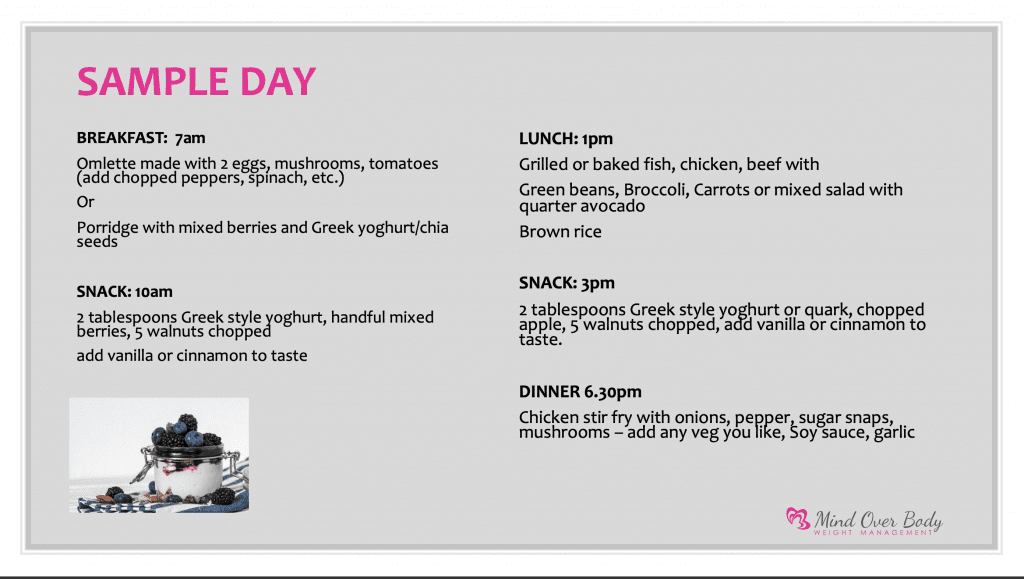
To help you implement the nutritional guidelines, I have developed the “Kickstart your Healthy Eating” document. This Kickstart document has recipes based on the Nutritional guidelines, how to batch cook 3 delicious meals for freezing, breakfast ideas, and delicious and easy lunch & dinner suggestions. You will also find in it how to make filling and healthy snack recipes that keep you going. And I have included a shopping list for you too, to make the start of the programme as easy as possible for you
The idea is to bring in the changes slowly and gradually.
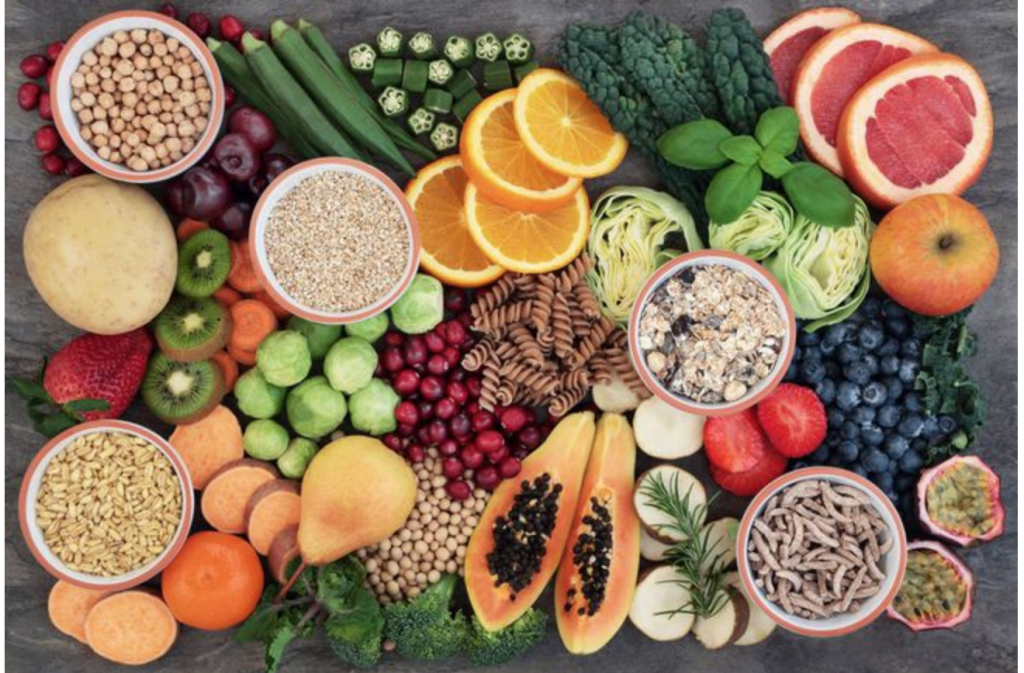
When you look at the nutritional guidelines, think about what changes are easy for you to make, and start there. Always aim to carry out a new change 90% of the time. This allows you to be flexible and have food that is not in the guidelines.
This way you are less likely to feel deprived and will continue to enjoy the changes you are making.
Bring in changes slowly, don’t get overwhelmed, give yourself credit for each small change you make every day.
Enjoy your new food choices!
I would advise you to check in with your doctor before making changes to your diet.
If you have special dietary requirements and need some help with that, please get in touch and I will recommend a nutritionist for you to see special advice from.
- Eat main meals and snacks at about every three hours.
- Try not to skip meals and snacks.
- Include a variety of foods.
- Replace highly processed foods with foods that are as close to nature as possible.
- Include Greek-style yoghurt, quark, small amount of unroasted and unsalted nuts and fruit.
- Replace with whole-grain bread and pasta, brown rice, legumes (beans and peas), unsweetened cereals high in fiber such as porridge.
To help reduce your risk of heart disease:
Replace unhealthy saturated and trans fats with healthier unsaturated fats. Include monounsaturated and polyunsaturated oils instead.- Replace shortening or stick margarine with oil such as Olive oil, rapeseed oil or coconut oil.
- Replace bacon or cheese in a salad with nuts or lean proteins
- Fatty fish, walnuts, ground flaxseed, chia seeds, flaxseed oil, and canola oil.
- Eat fish (mainly fatty fish) at least two times per week. The serving size is 3.5 ounces cooked. Deep-fried seafood is not recommended.
- Fiber helps lower blood cholesterol and triglycerides.
- Low-fat or fat-free milk, soymilk, yogurt, or small amounts of cheese.
- Salmon, broccoli, and leafy green vegetables.
Nutritional Guidelines for a healthy lifestyle
 Download the document below to help you Kickstart your healthy lifestyle with some recipes and batch-cooking ideas.
Kickstart your healthy eating - recipes